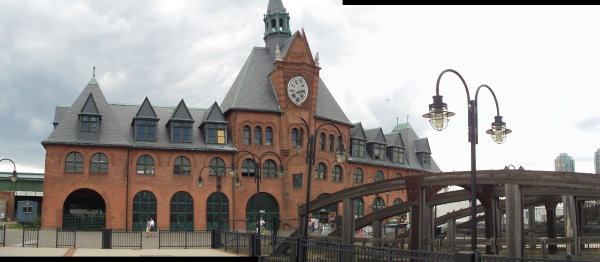
Jersey City's greatest treasure is it's rich history. Three hundred years of development and Jersey City is still in continual change. Unfortunately
many of these historical landmarks have been demolished in favor of luxury high rises or some sort of development. While residents can not
expect all of the waterfront landmarks to be saved, many would like to see the remaining historical landmarks saved. One method is
to have a landmark on a recognized State list defining it as historic.
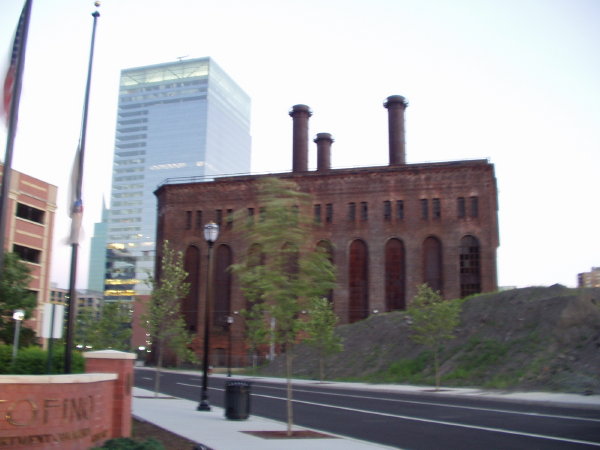
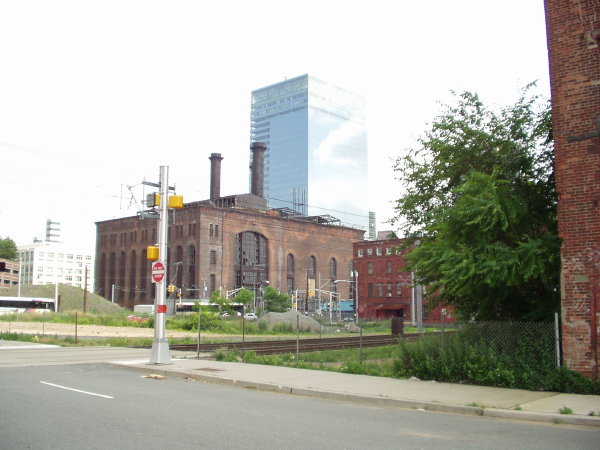
The above images are of the very famous Power House, which was utilized as a power station for the PATH trains. Now, a new source of power is used for the PATH trains, but the Power House stands tall and mighty with it's smoke stacks that can be seen from many areas of the downtown. Behind the Power House, proof of Waterfront development, is a tall corporate high rise.
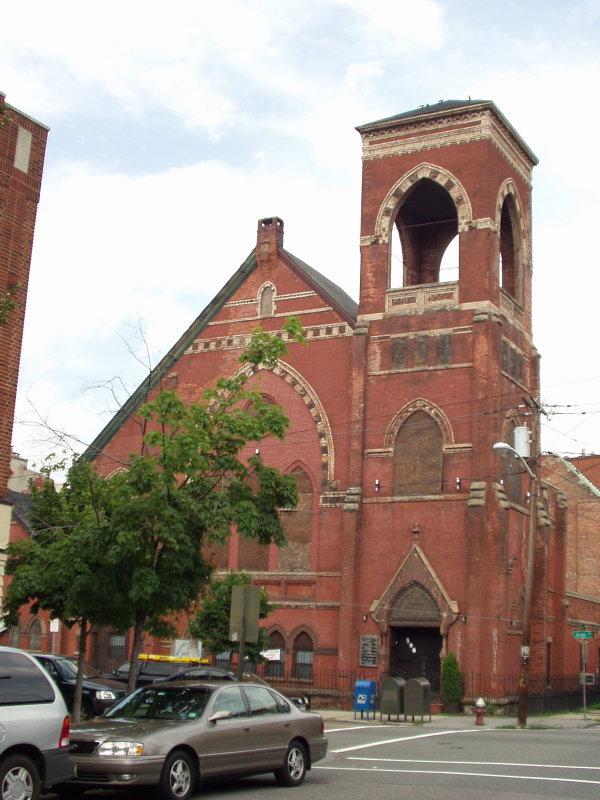
A 19th century church, pictured above.
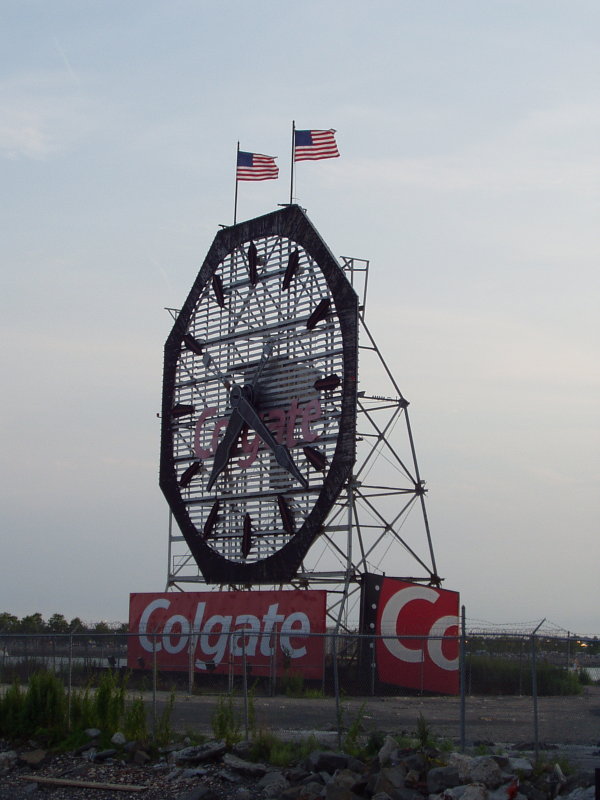
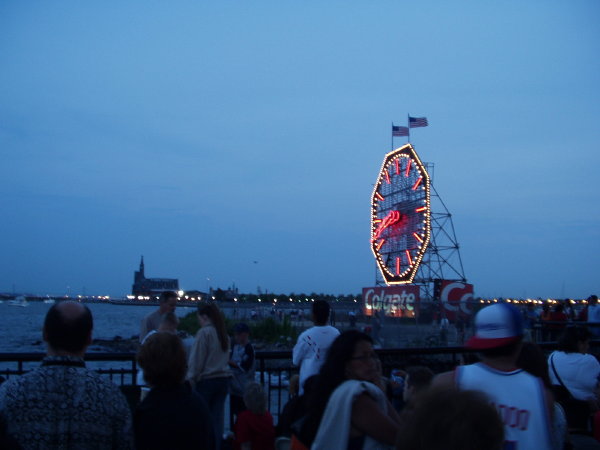
The two above images are the remains of the once massive Colgate factory. In the 19th Century, the Colgate factory moved to Jersey City and faced the bustling downtown Manhattan. The remains are of, at the time, the world's largest clock. From the financial district of Manhattan, the Colgate clock can still be seen and stands out on the Jersey City Waterfront skyline.
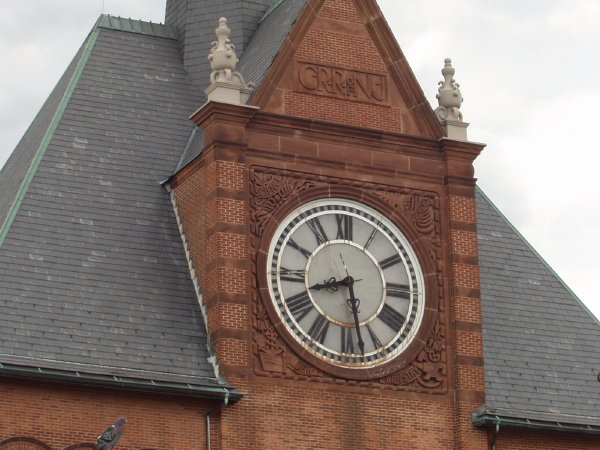
The above image is the clock of a Pennsylvania Rail Road station not in use anymore.
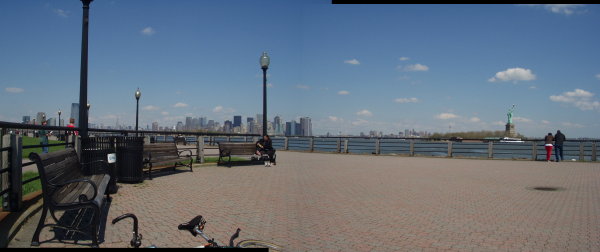
The above image is, on the left, downtown Manhattan, and on the right, the Statue of Liberty. Unknown to many, the Statue of Liberty is actually in New Jersey water and duals as the symbol for Jersey City.
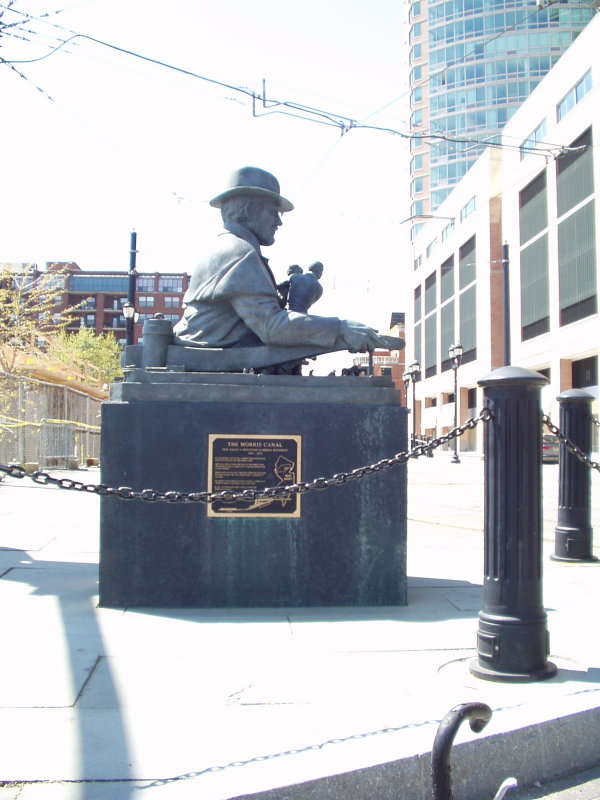
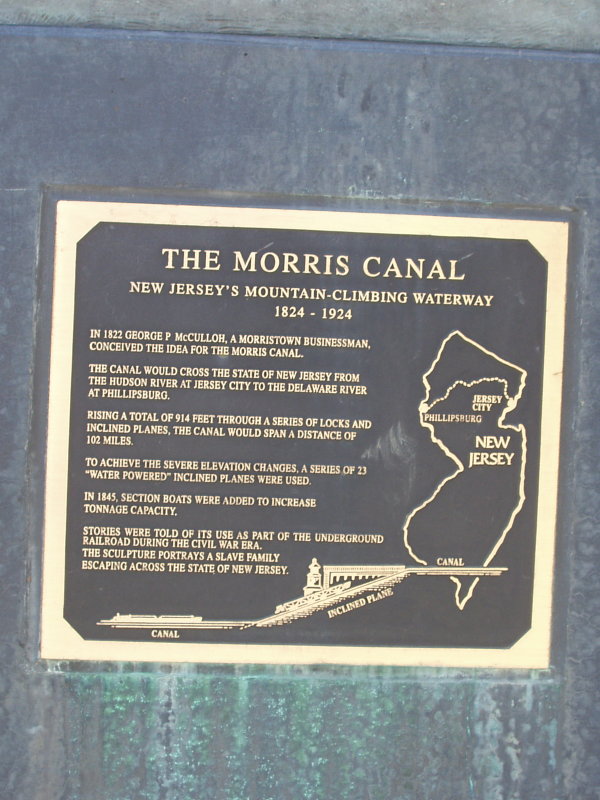
The above images once again showcase the richness of Jersey City. Unrelated, part of the Newark City Subway was built in the Morris Canal.