About Us

The BioDynamics Group at NJIT focuses on wearable robotics and exoskeletons, computational biomechanics, digital human modeling, and personalized medicine.

Our research aims to develop intelligent wearable assistive technologies that enhance human mobility, rehabilitation, and physical performance. We design and evaluate robotic exoskeletons and human-centered assistive systems through the integration of biomechanics, computational modeling, and AI. In parallel, we develop advanced computational methods and software to simulate and analyze biomechanical loading in biological systems under normal, extreme, and injury-related conditions.
Research


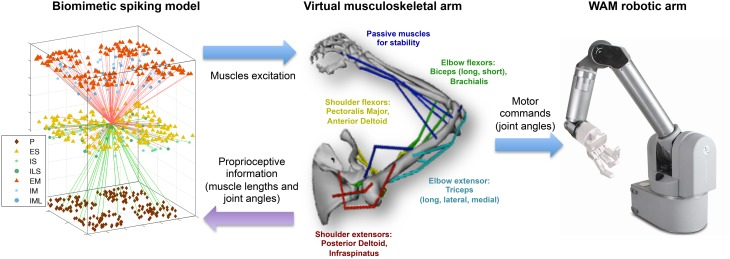
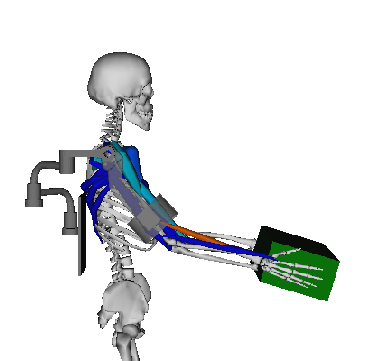
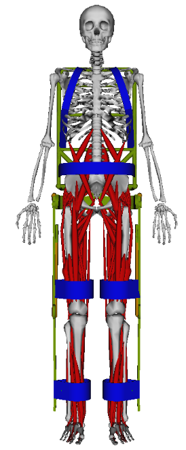
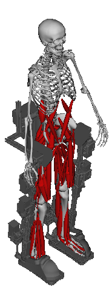
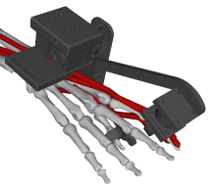
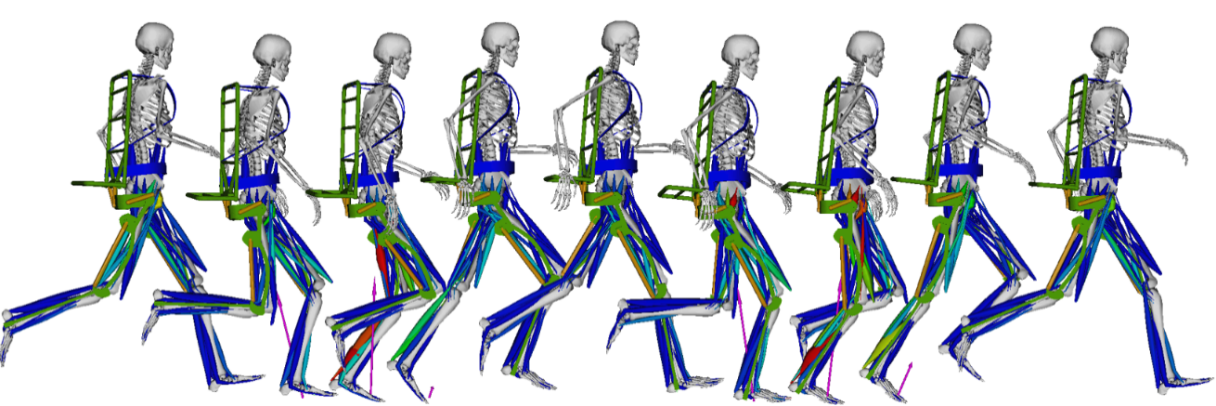
Wearable Robots and Exoskeletons

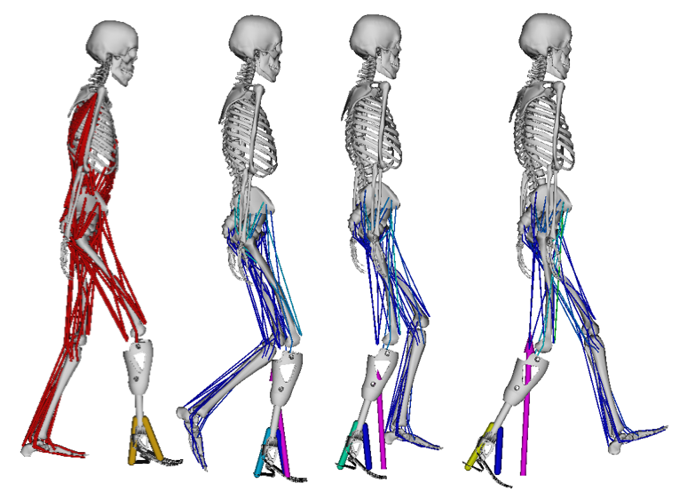
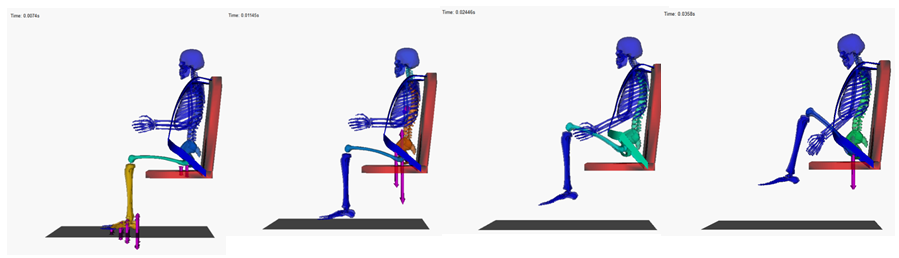
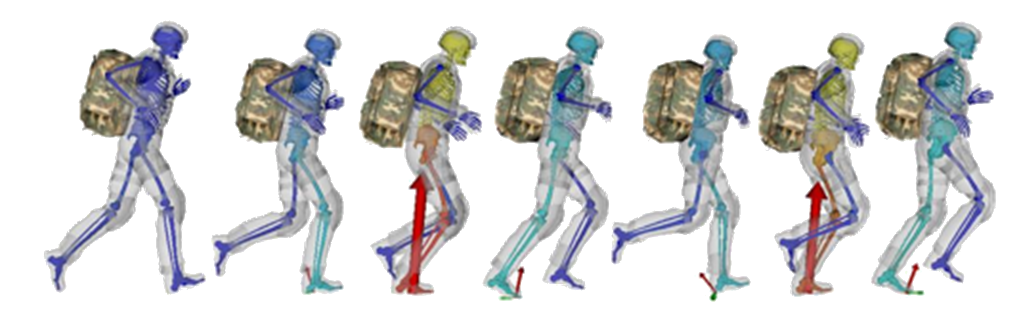
Analyze interactions between human and robot (exoskeleton, prosthesis, ...) for the design and control of wearable robots.

View publications »


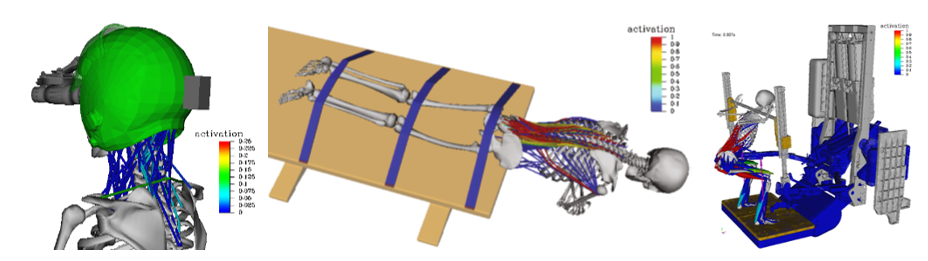
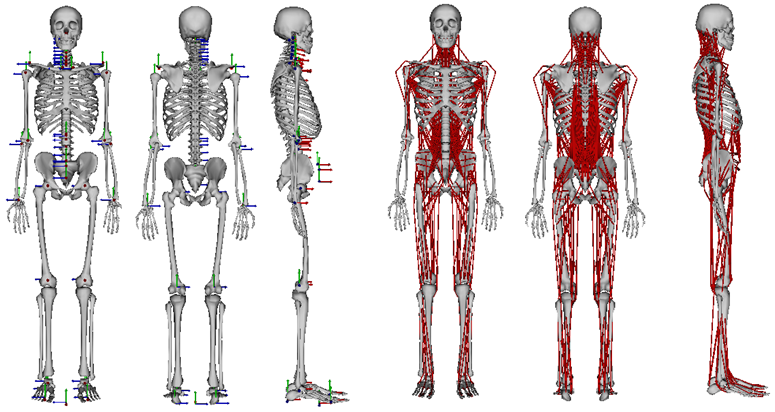
Musculoskeletal biomechanics

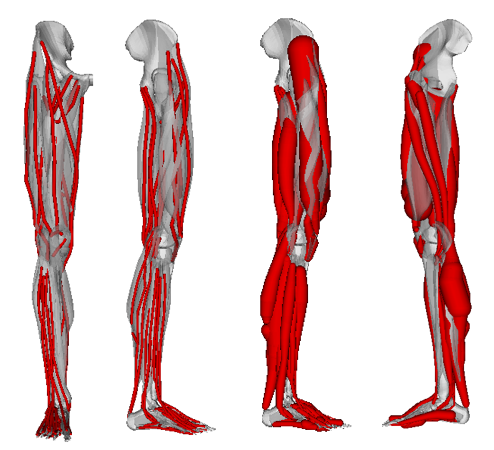
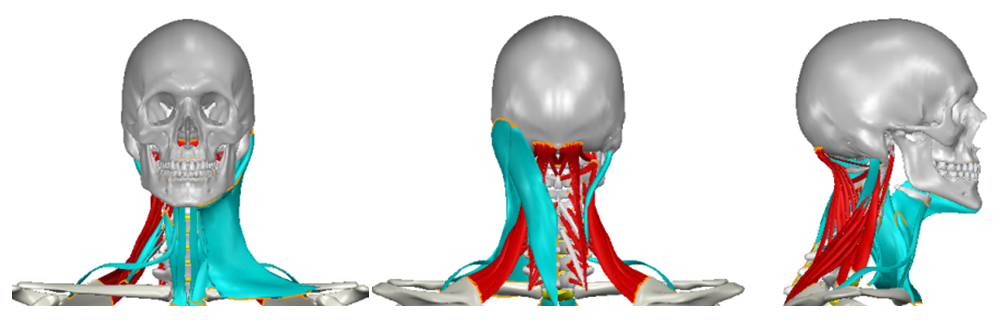
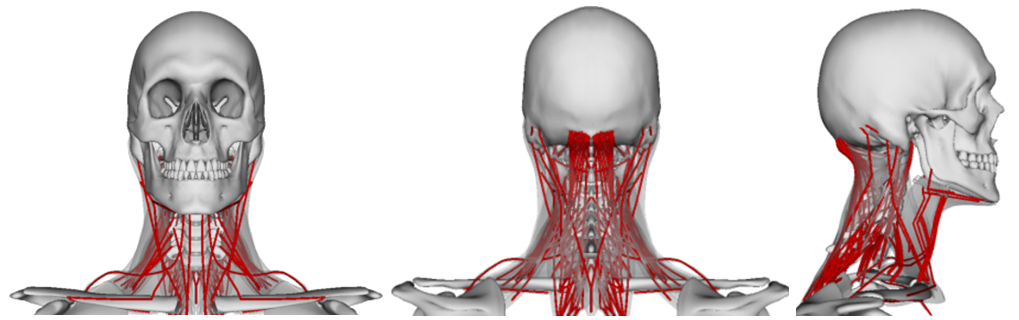
Create detailed musculoskeletal models based on anatomy and functions.
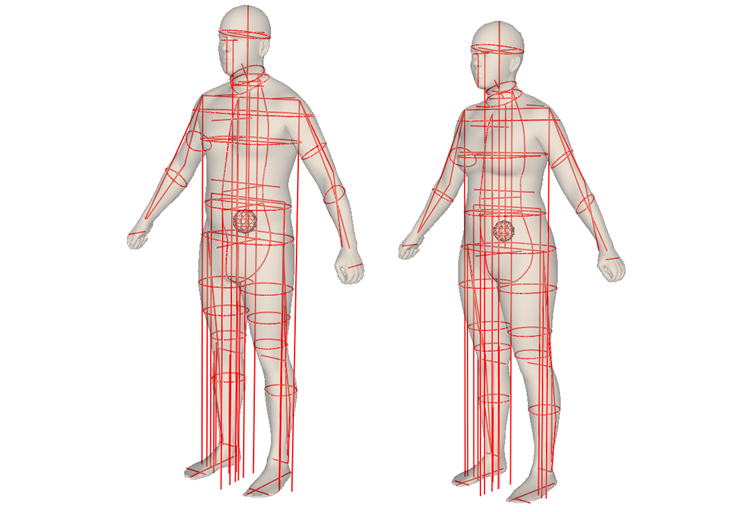
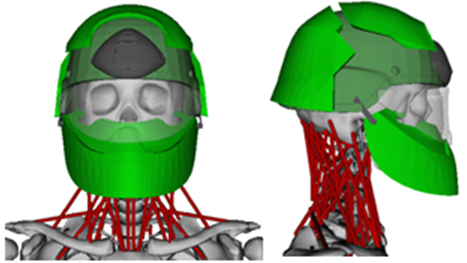
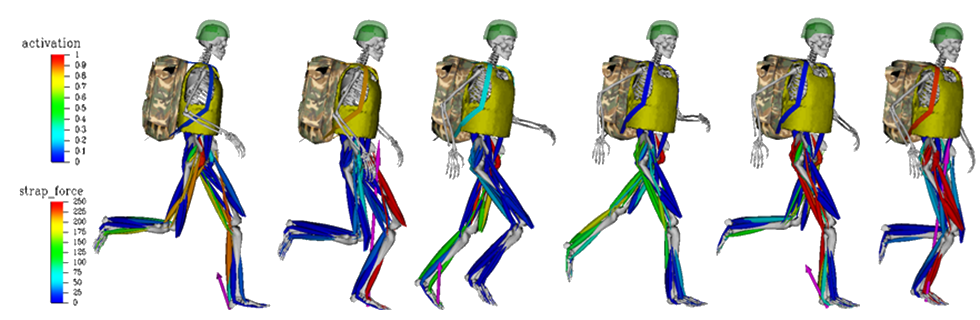
Utilize musculoskeletal simulations to evaluate loadings on neck, shoulder, back, extremities, ...

View publications »


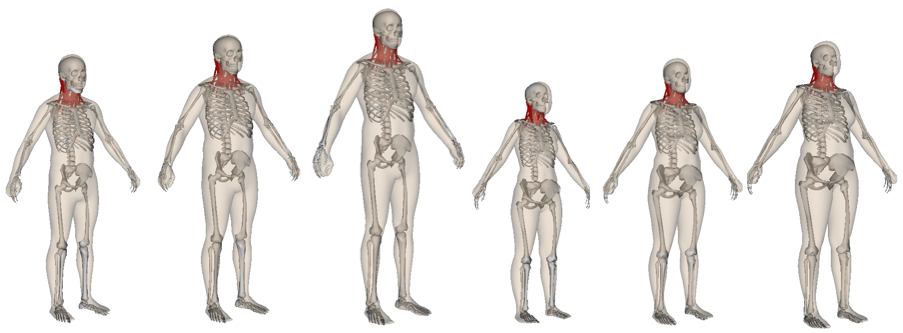
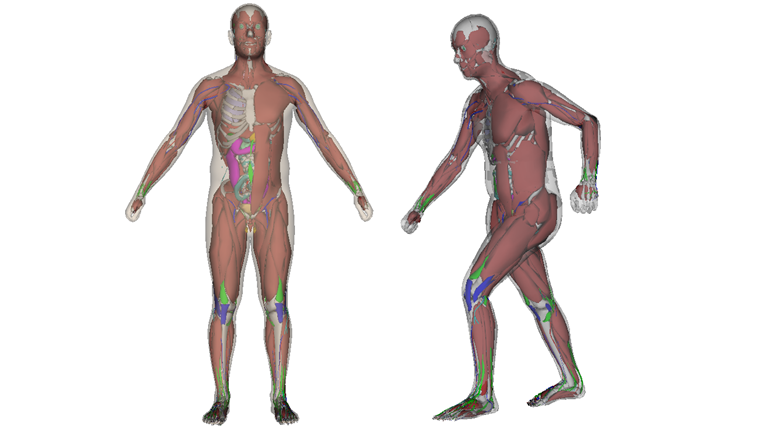
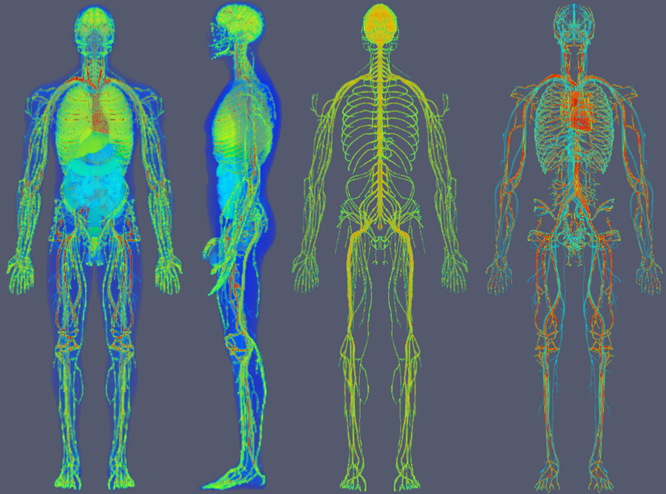
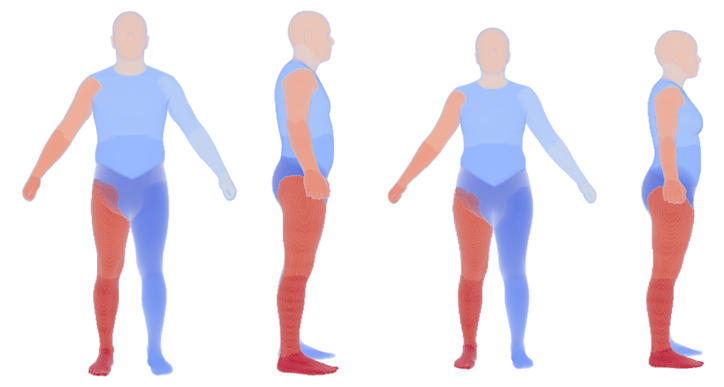
Digital human modeling

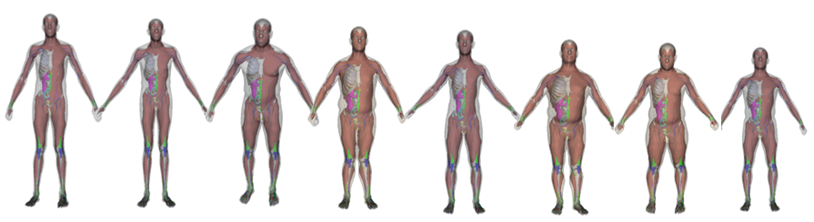
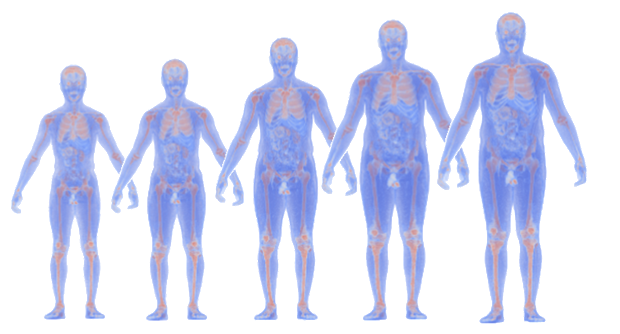
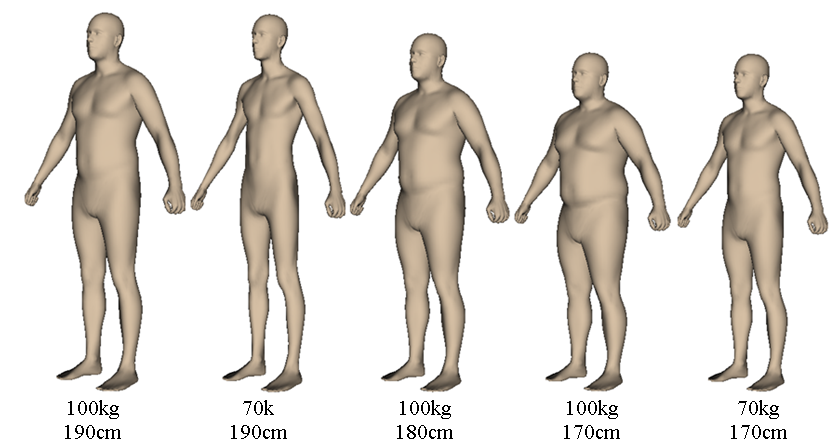
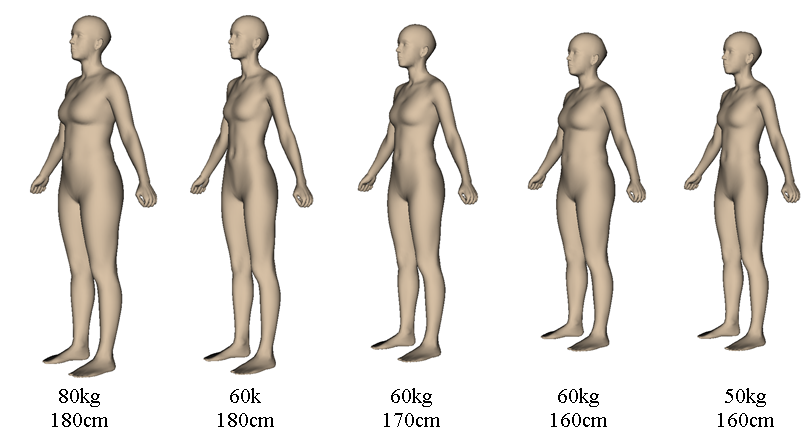
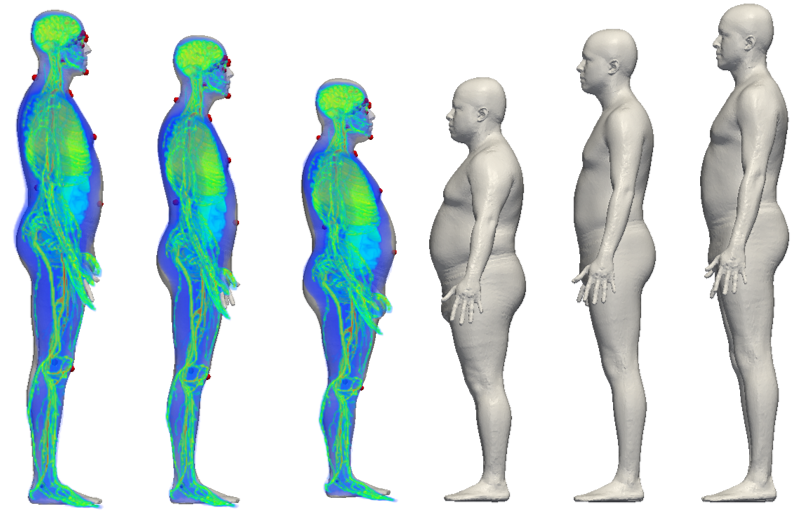
Create personalized 3D human models with different anthropometry and anatomy.

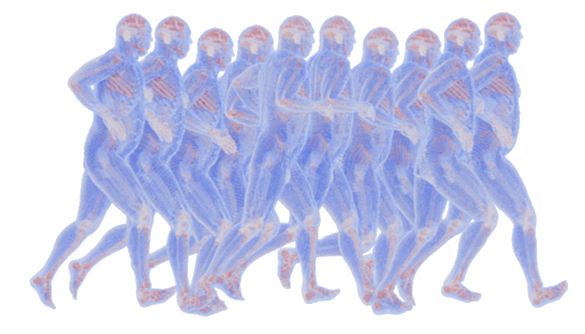
Manipulate these models into different postures and motions.
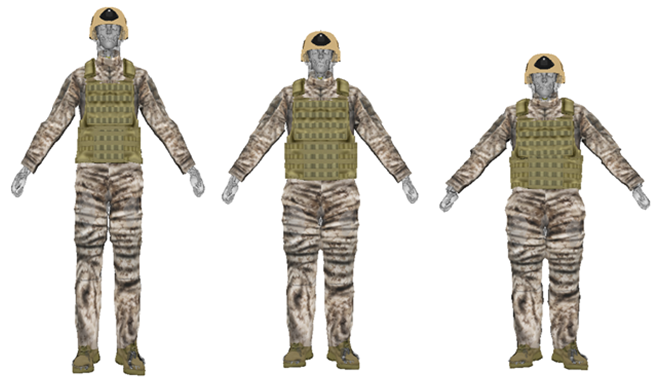
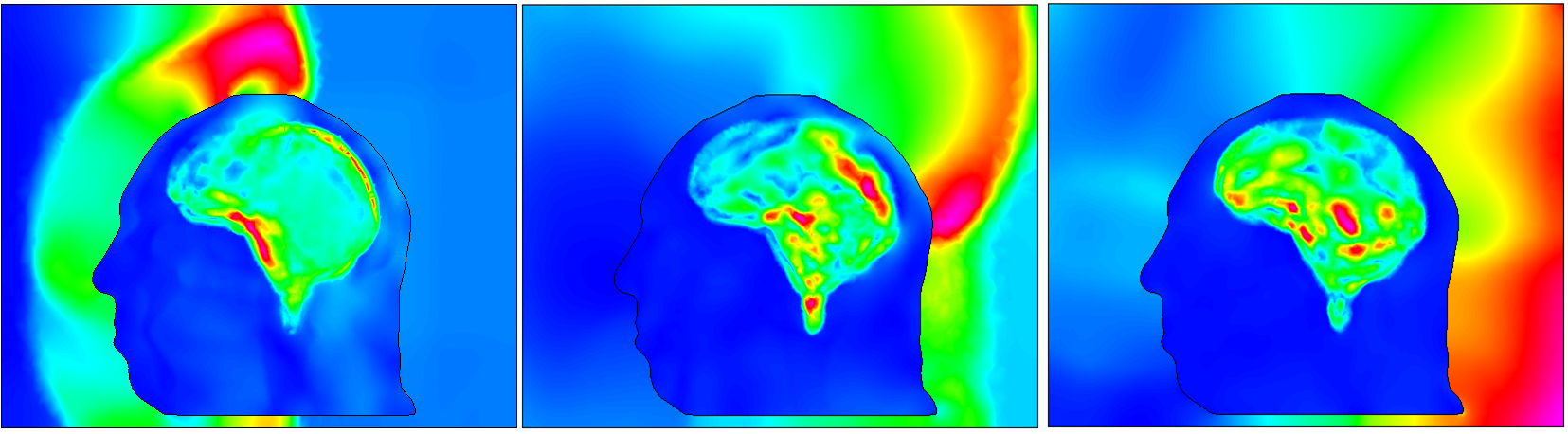
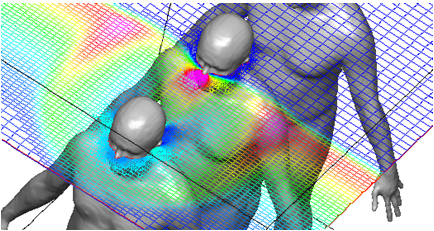
Utilize these models for different multiphysics simulations.
View publications »


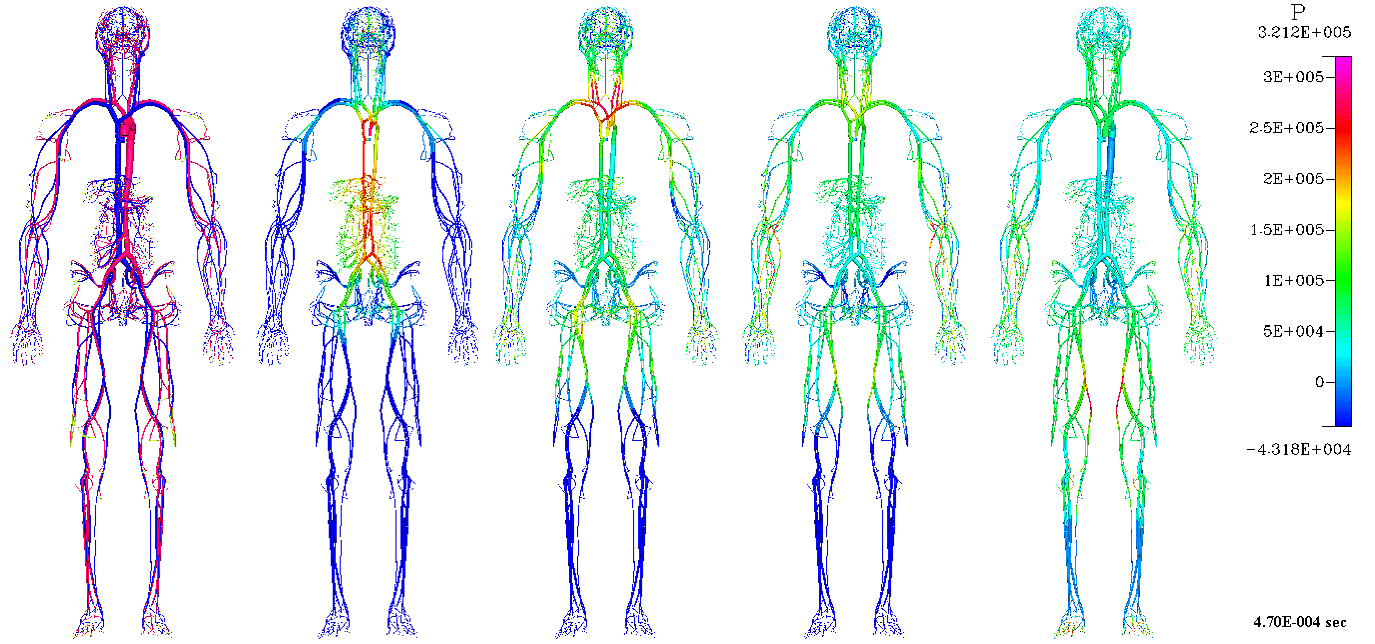
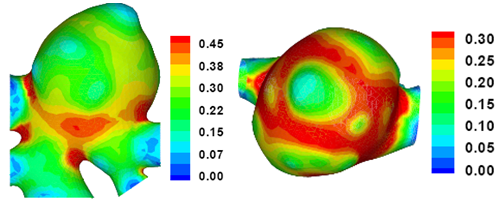
Cardiovascular biomechanics

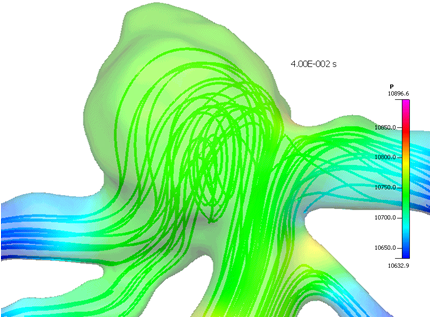
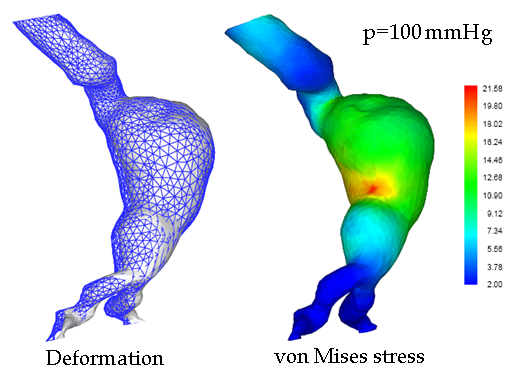
Evaluation of blood flow and vessel stresses under normal, impact, or disease (e.g. aneurysm) conditions

View publications »


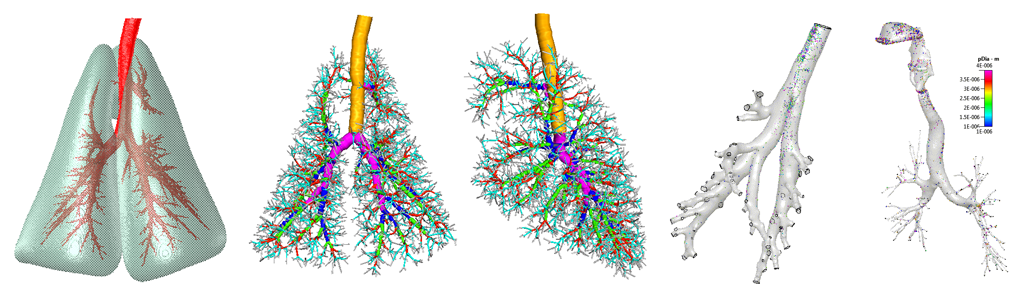
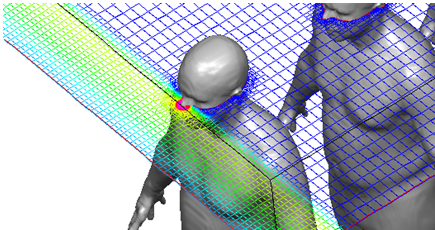
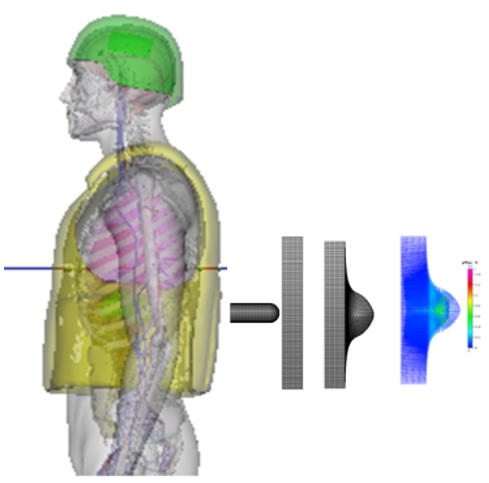
Computational multiphysics

Solving multiphysics problems with various computational methods (ODE & PDE solvers, FEM, CFD, FSI, SPH, etc.).

Parallel and high performance computing with multi-core, GPU, and distributed processors.
View publications »


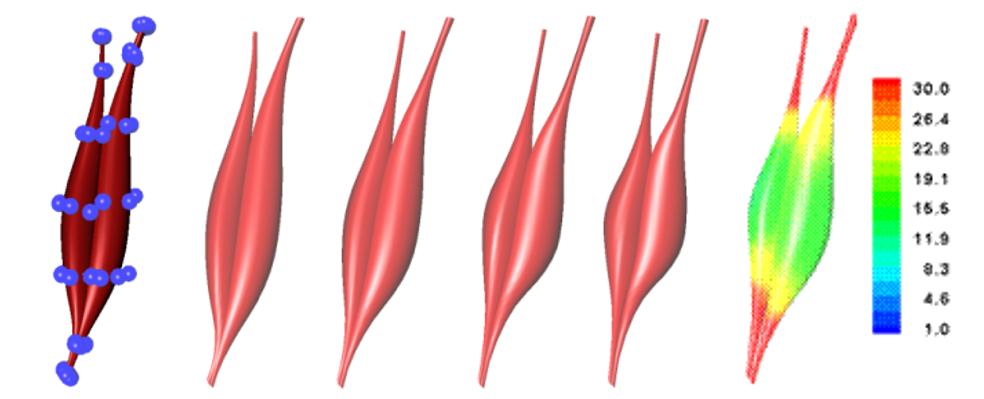
Isogeometric analysis

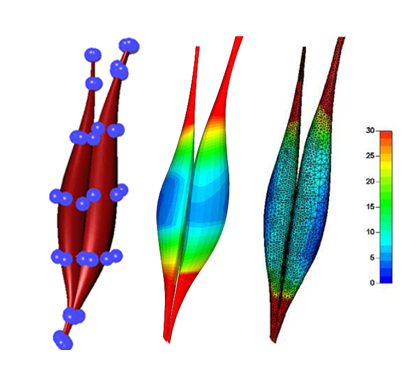
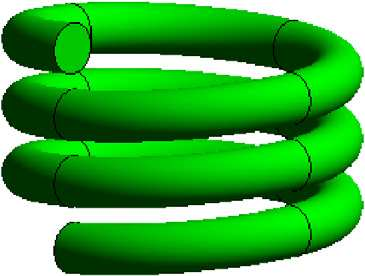
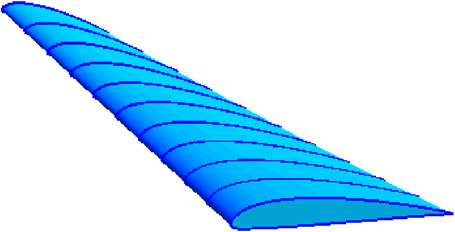
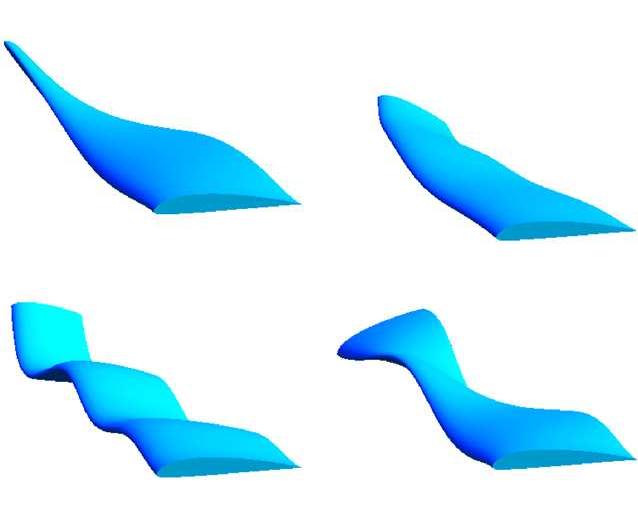
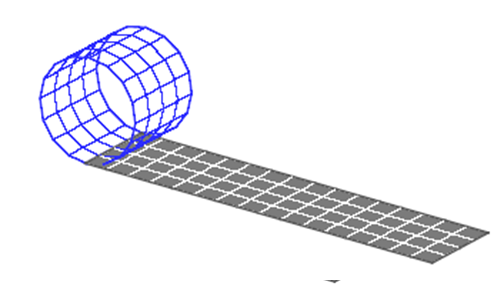
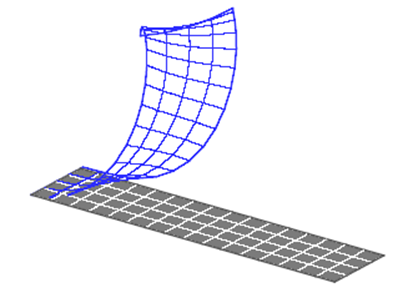
NURBS based FEM with isogeometric formulation on trivariate NURBS volumes.
Isogeometric cylindrical element formulated on harmonic domains with only surface control points.

View publications »


Inverse Mechanics & FEM

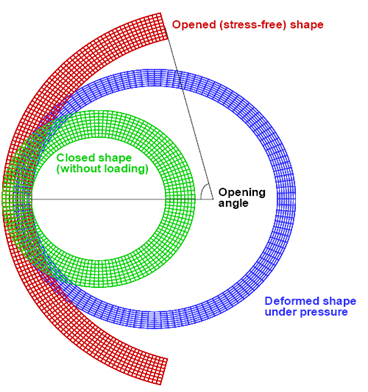
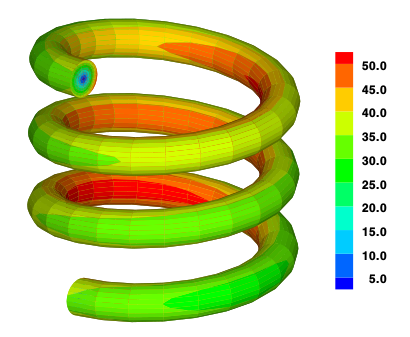
Compute the stress-free configuration from a deformed state and known loading.

Identify stress-free configurations or residual stresses of in vivo biological tissues (arteries, aneusyms).

View publications »


Teaching